
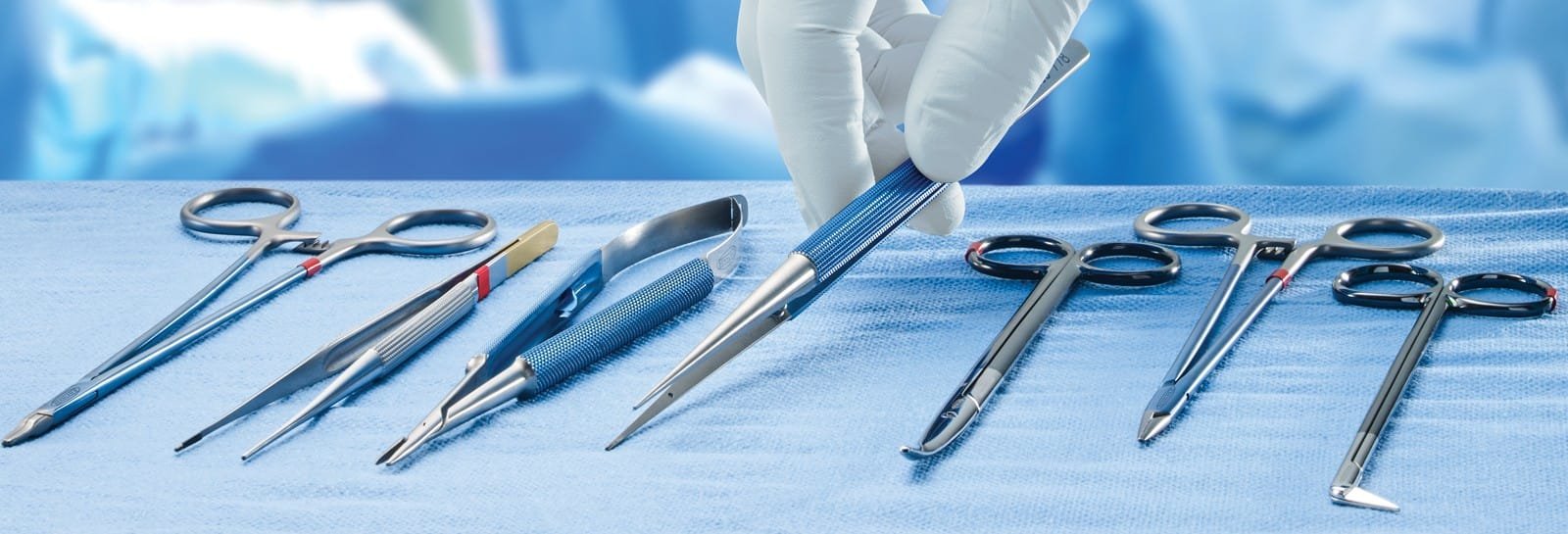
Every aesthetic procedure begins long before the operating room. It starts in the consultation room, in a conversation where anatomy, expectation, and responsibility meet.
In elective surgery, the decision matters as much as the technique. Once a plan is executed, there is no undo button. Surgical skill protects the result, but clarity protects the relationship behind it. And that clarity is rarely simple.
Patients describe what they want using subjective language:
“Natural.”
“Full, but not too full.”
“Subtle.”
Meanwhile, surgeons think in anatomy, tissue behavior, projection, and proportion. Between those two perspectives, an invisible gap often appears.
Most consultations try to manage that gap verbally through explanation, reassurance, and experience. However, verbal alignment is not the same as visual alignment. That difference matters.
Why Words Alone Are Not Enough
A surgical decision is not a single moment. Instead, it is a structure built in layers:
-
The patient understands what is realistically achievable.
-
The surgeon feels confident in the chosen parameters.
-
Both share the same visual reference.
-
The plan is specific, not approximate.
If one of these layers weakens, uncertainty remains even if no one says it out loud. When decisions rely only on conversation, interpretation always plays a role. Words like “natural” or “full” leave room for personal meaning. Even with experience, that space carries risk. It may not appear immediately, but it often surfaces later in hesitation, dissatisfaction, or revision requests that stem from expectation drift rather than technical error.
From Explanation to Alignment
This is where structured visualization changes the consultation dynamic.
Visualization is not about impressing patients. Instead, it anchors the decision in something concrete.
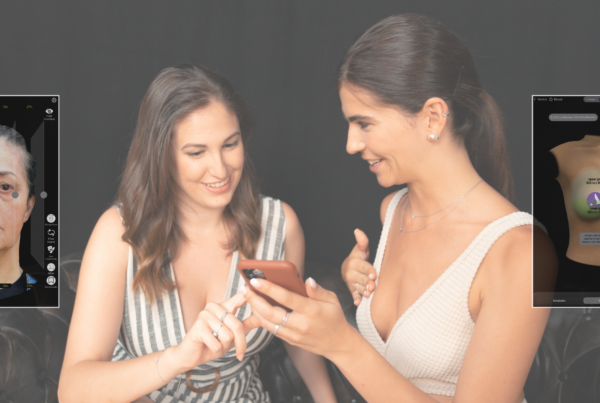
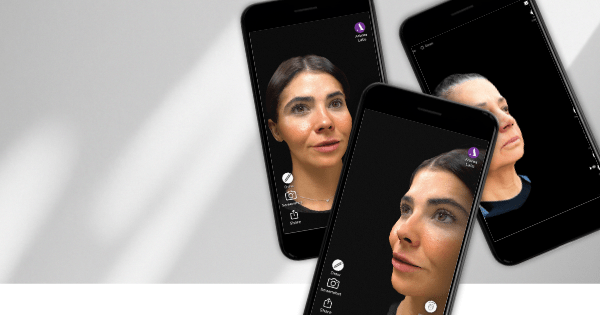
When a patient sees a personalized 3D simulation based on their own anatomy not someone else’s before-and-after, the discussion shifts. Volume becomes visible. Projection becomes comparable. Adjustments become measurable. As a result, the conversation grows more precise.
The patient reacts in real time. Those reactions reveal preference, hesitation, and comfort levels. At the same time, the surgeon gains insight not only into the desired result, but into the patient’s psychological readiness. That clarity strengthens planning confidence.
Rather than moving forward based on assumption, both parties move forward based on shared understanding. The surgical plan becomes a structured agreement. The operation becomes execution not discovery.
Reducing Interpretational Risk
When surgeon and patient look at the same anatomical reference, ambiguity decreases. Adjustments are no longer abstract. Choices become visible. Expectations become specific. Because of this, interpretational risk drops significantly.
Addressing uncertainty before surgery leads to more predictable outcomes not only technically, but relationally. The consultation shifts from explanation to alignment. And alignment protects both the patient’s trust and the surgeon’s work.
The Role of Structured Consultation Tools
Arbrea supports this structured layer of decision-making. It is not a marketing add-on designed to impress. It does not replace surgical expertise. The surgeon remains the decision-maker. Instead, the software translates planning into something visible. It turns abstract ideas into measurable options. It allows comparison, adjustment, and reflection before commitment. By anchoring the consultation in anatomy, Arbrea helps surface uncertainty early, before it becomes postoperative dissatisfaction.
Because in aesthetic surgery, the operation reflects technique. However, the long-term stability of that outcome reflects the decision that came before it. And decisions, like anatomy, have structure.




 EN
EN  PT
PT  IT
IT  ES
ES  DE
DE