

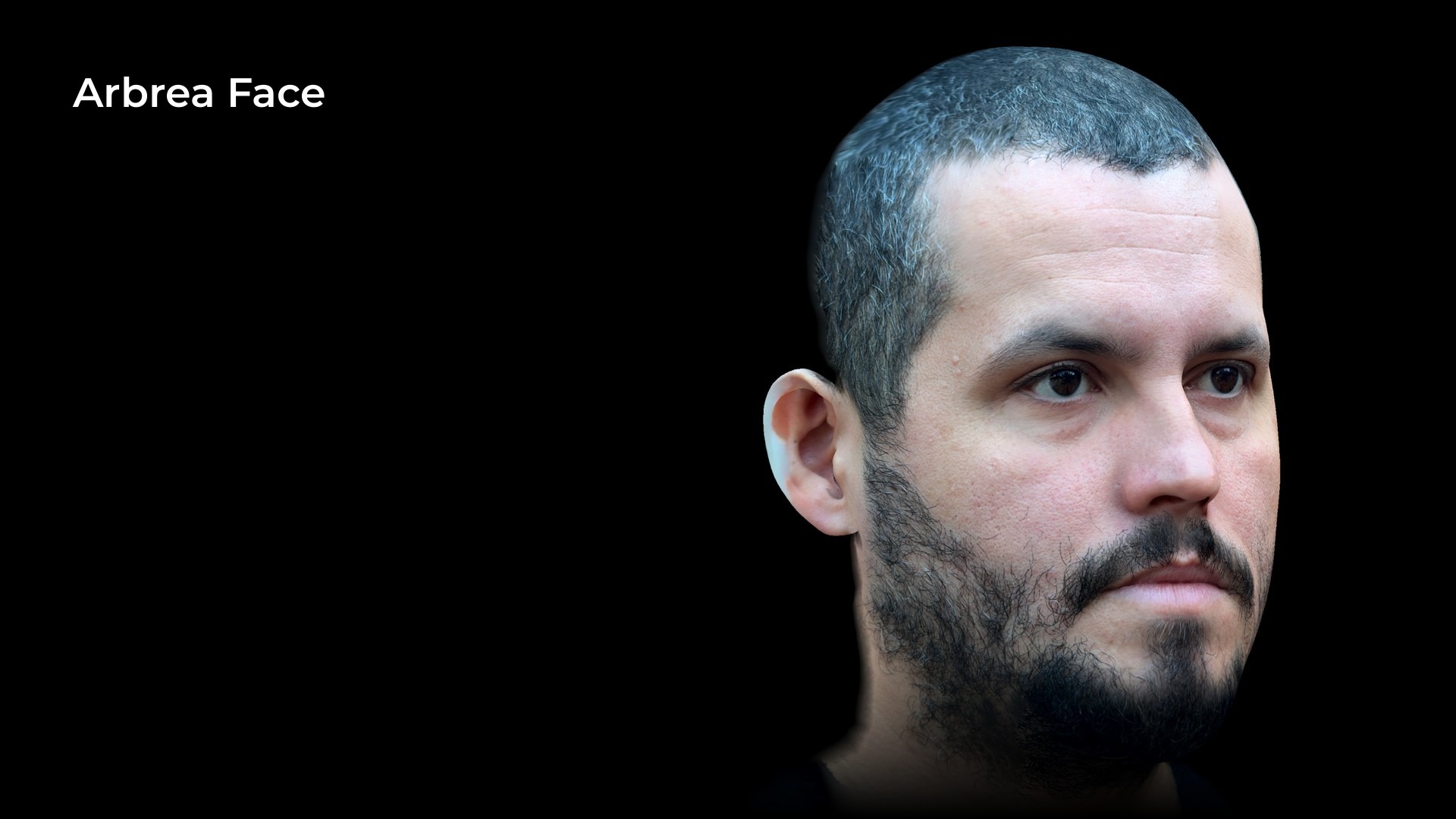
For years, aesthetic practices have built their marketing, consultations and before-and-after galleries around women. The data now says that leaves a fast-growing group of patients underserved: men, most of whom are coming in for their face.
Men still make up a minority of aesthetic patients. But in the most recent global survey from the International Society of Aesthetic Plastic Surgery (ISAPS), they were the side of the market that grew. And when men do come in, they tend to want the same thing: a result nobody can spot. That’s exactly the result that’s hardest to describe in words, and easiest to show with 3D simulation.
Men are the growing side of the market
ISAPS gathered data from 2,975 plastic surgeons for its 2024 survey. Between 2023 and 2024, total procedures performed on women fell by 3.9%, while procedures performed on men rose by 6.3%.1

The same pattern shows up among facial specialists. In the American Academy of Facial Plastic and Reconstructive Surgery’s (AAFPRS) 2025 member survey, 95% of facial plastic surgeons reported treating male patients, up from 92% the year before.4 In the US, the American Society of Plastic Surgeons (ASPS) counted more than 1.6 million minimally invasive cosmetic procedures on men in 2024, around 7% of the total,2 and reports that the number of men having aesthetic procedures held steady through 2025.3
What men actually ask for: the face
Look at what men book and a clear picture emerges. The two biggest treatments for men worldwide are both injectables for the face: botulinum toxin, with almost 1.27 million procedures, and hyaluronic acid filler, with about 880,000. On the surgical side, eyelid surgery is the most performed procedure for men, and rhinoplasty is in the top five.1
Add up the four facial treatments highlighted above and you get almost 2.9 million procedures for men in a single year. Industry research points the same way. In Teoxane’s study of male patients, the most requested filler areas were the jawline, chin, lips and under-eyes, and the number of men seeking aesthetic treatments had risen by 70% since 2021.6
The male consultation is a different conversation
Practitioners describe a consistent pattern. Men rarely worry about pain or downtime. What they want to know is whether anyone will be able to tell. Teoxane’s research found discretion and natural-looking results were the two constant concerns at every age.6 Some men won’t even name what they want directly, and start by saying their lips feel dehydrated, or that one feature doesn’t match the rest of their face.
“Will I look like I’ve had something done?” is the question to answer before any other.A recurring concern practitioners report from male patients
That creates a real communication problem. “Subtle” means something different to every patient. A man who can’t picture a two-millimetre change in chin projection is likely to either walk away or imagine something more dramatic than you are proposing. Neither leads to a booked, satisfied patient.

How Arbrea Face helps you win the male patient
Arbrea Face builds a 3D model of the patient from a short scan on an iPhone or iPad, which takes about 20 seconds.7 From there, you can simulate surgical and non-surgical facial treatments on his own face, including rhinoplasty, chin and jawline work, cheeks, lips, fillers and botox.7 Each step addresses a specific hesitation male patients bring into the room.
Show him “subtle” on his own face
Instead of promising a natural result, you can show it. Adjust the simulation together until he sees the version that still looks like him, and he leaves the consultation with an expectation you both share.
Plan around structure, not trends
Men’s requests centre on the lower face and profile: jawline, chin and nose. Automatic facial measurements turn a vague request for “a stronger jaw” into a plan built on his proportions, which fits the move away from treating single features toward overall facial balance.
Respect his need for discretion
With myArbrea, Arbrea’s patient app, patients can explore simulations before the consultation, privately and from home.7 For a patient who isn’t ready to say out loud what he wants, that private first step can make the difference between booking and never calling.
Give him something to think it over with
Many men want time to decide on their own. Screenshots from several angles and 3D videos of the simulation let him review the plan after he leaves, without relying on memory or a brochure full of women’s faces.
Three things to change this quarter
- Make men visible in your marketing. Add male case studies and simulations to your website and social channels, so men can see that the clinic treats people like them.
- Lead consultations with the face, not the menu. Start with a 3D scan and a conversation about balance, then introduce treatments as the tools to reach the result he picked.
- Offer a private first step. Let prospective patients try simulations at home before they commit to an appointment.
See how Arbrea Face fits into your male consultations
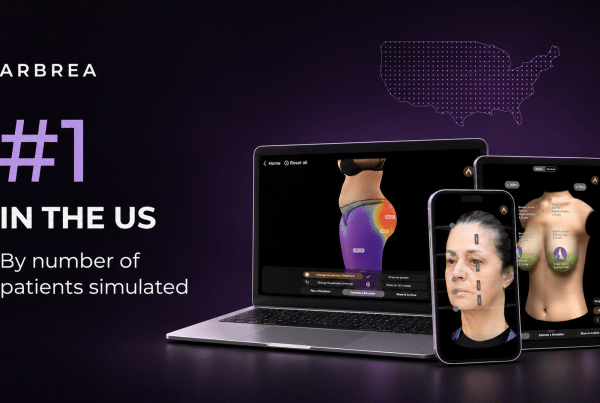
Arbrea is the first imaging system in the US by number of patients simulated. Book a demo to see a scan and simulation live.
Book a demo





 English
 Portuguese
 Italian
 Spanish
 German
 Arabic
 French
 Korean
 Albanian
 Thai
 Hindi
 Vietnamese
 Japanese