
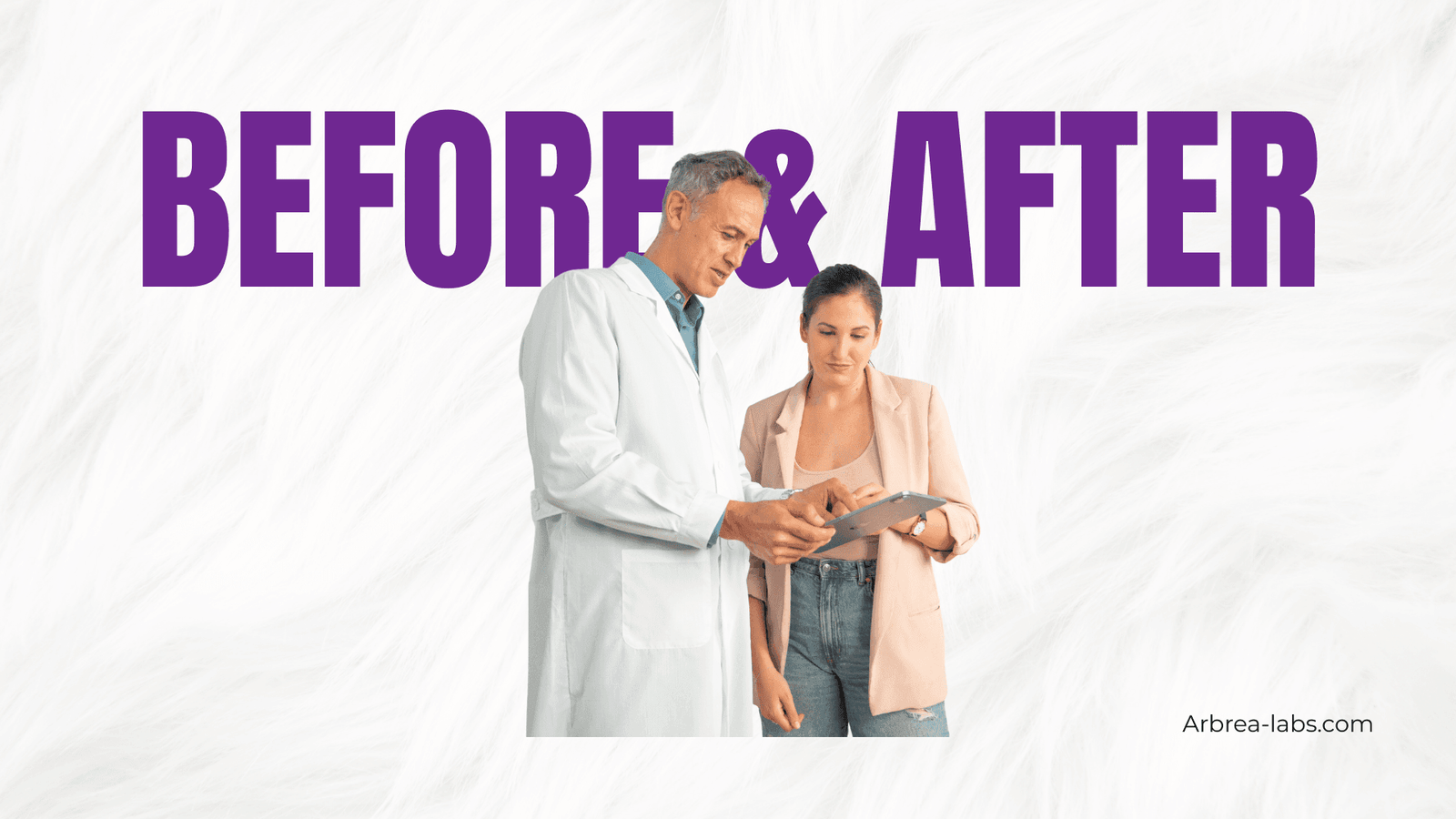
كانت صور ما قبل وما بعد أداة أساسية في الطب التجميلي لعقود من الزمن. فهي تساعد في تحديد توقعات المرضى وتوجيه القرارات. لكن الأوقات قد تغيرت. ولم يعد الاعتماد على الصور الثابتة وحدها كافياً.
يقول إندري ديبرَا، الرئيس التنفيذي لشركة "أدريا لابز"، بوضوح:
“بعد عقود من العمل في الرؤية الحاسوبية والرسوميات، كان هناك أمر واحد واضح جلياً بالنسبة لي دائماً: عندما يستطيع الناس الرؤية بوضوح، يحدث التوافق بشكل أسرع.”
لا يتعلق الأمر بالتسويق فحسب، بل يتعلق بتقديم رعاية أفضل للمرضى.
كيف تؤثر العناصر المرئية على رضا المرضى
تظهر الأبحاث أن رضا المرضى يرتبط ارتباطاً وثيقاً بإدارة التوقعات. فعندما يتمكن المرضى من تصور النتائج بوضوح قبل الجراحة، يشعرون بارتاح أكبر. كما أنهم يسجلون مستويات رضا أعلى بعد العملية.
النتائج الرئيسية من البحث:
- مراجعة في مجلة نيو إنغلاند الطبية وجدت أن إدارة التوقعات غالباً ما تكون أهم من تعقيد الجراحة نفسها
- دراسات في حوليات الجراحة تُظهر الدراسات أن المرضى المطلعين يشعرون بقلق أقل ورضا أكبر على المدى الطويل
التصور في الطب التجميلي ليس مجرد مسألة بصرية، بل هو مسألة نفسية أيضًا. فنحن لا نرى أنفسنا كصور ثابتة. بل نرى أنفسنا في حالة حركة، من زوايا مختلفة، في الفضاء الحقيقي. ولا يمكن للصور الثابتة أن تعكس ذلك. وعندما لا يتمكن المرضى من الرؤية بوضوح، فإنهم يملئون الفجوات بالخيال، وهنا تبدأ التوقعات غير المتوافقة مع الواقع.
لماذا لا تفي الصور الثابتة بالغرض
التصوير الفوتوغرافي قبل وبعد مفيد. لكن له قيود حقيقية:
- إضاءة يغير شكل الخطوط الكنتورية
- زوايا التصوير يؤثر على النتائج المتصورة
- وضعية الجسم يغير شكل الجسم
- حركة مفقود
- السياق الشخصي غائب
والأهم من ذلك، أن تلك الصور تُظهر شخصًا آخر. فكل مريض يتمتع بجسم فريد من نوعه. أنسجة مختلفة، ونسب مختلفة، وبنية مختلفة. وما يبدو رائعًا على شخص ما قد يبدو مختلفًا تمامًا على شخص آخر.
أكبر سؤال لدى المرضى هو: “"كيف سيبدو هذا عليّ؟"” الصور الثابتة لا يمكنها ببساطة الإجابة عن هذا السؤال.
هناك قطاعات أخرى تستخدم بالفعل تقنية التصور ثلاثي الأبعاد
فكر في مجال الهندسة المعمارية. لا يوجد مشترٍ جاد يشتري منزلاً بناءً على الرسومات المسطحة وحدها. وقبل البدء في البناء، تقوم الفرق بإنشاء:
- نماذج ثلاثية الأبعاد
- تصاميم رقمية
- جولات افتراضية
هذه ممارسة قياسية حتى بالنسبة للمبنى. ومع ذلك، في طب التجميل، حيث تُجرى تغييرات على جسم الإنسان وغالباً ما تكون دائمة، لا تزال العديد من الاستشارات تعتمد على صور لشخص آخر. إذا كنا بحاجة إلى الوضوح البصري قبل تصميم غرفة، فنحن بحاجة إليه بدرجة أكبر قبل تغيير مظهر الشخص.
التحول: من المقارنة إلى التخصيص
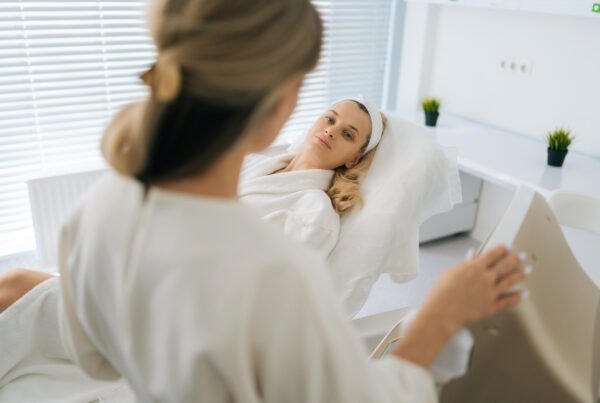
اعتاد المرضى اليوم على العناصر المرئية التفاعلية. فهم يستخدمون مرشحات الواقع المعزز، وتجربة الملابس افتراضيًّا، والمعاينات في الوقت الفعلي يوميًّا. ويتوقعون رؤية النتائج قبل اتخاذ القرار.
لم يواكب الطب التجميلي دائمًا هذه التوقعات. فلا تزال العديد من الاستشارات تعتمد على معارض صور ثابتة. وتؤدي هذه الفجوة إلى الشعور بعدم اليقين، وهو ما يؤثر سلبًا على مستوى الرضا.
أبريا سويت تم تطوير منصة Arbrea Labs لسد هذه الفجوة. وهي منصة ثلاثية الأبعاد وواقع معزز مدعومة بالذكاء الاصطناعي ومصممة خصيصًا للطب التجميلي. وإليكم ما تتيحه هذه المنصة للجراحين:
- عرض المحاكاة على جسم المريض نفسه
- توضيح التغيرات في الحجم وتعديلات الكنتور
- استكشف النتائج من زوايا متعددة
- اجعل الاستشارة عملية تشاركية
وهذا يحوّل التجربة من “النظر إلى نتائج الآخرين” إلى “اكتشاف ما يمكنك تحقيقه».
النتيجة: الوضوح يبني الثقة
عندما يشاهد المرضى محاكاة ثلاثية الأبعاد تستند إلى تركيبهم التشريحي، فإنهم:
- افهم كيف ستبدو التغييرات من حيث النسب
- اطلع على النتائج من وجهات نظر متعددة
- الوصول إلى شعور أكبر بالمشاركة في القرار
- ادخل إلى غرفة العمليات وتوقع نتائج واقعية
هذا لا يزيل المخاطر الجراحية. إنه لا يعد بالمثلجة المطلقة. لكنه ينسق توقعاتنا مع الواقع.
يقوم الجراحون الذين يستخدمون أدوات ثلاثية الأبعاد وتكنولوجيا الواقع الافتراضي بإجراء مشاورات أفضل. تصبح المحادثات أكثر تركيزًا. يشعر المرضى بالثقة أكثر. يقل القلق. يزداد الثقة.
تحسن رضا المرضى — ليس بسبب التغييرات في الجراحة، بل بسبب التواصل يحدث.
”أحب استخدام هذا في المقابلات الاستشارية
الدكتورة كريتي موهان
لتظهر المرضى فعليًا
ما سيبدو عليهما

الفترة الصامتة قبل الاتصال الأول
ومن الجوانب المهمة أيضاً مرحلة ما قبل المريض، وهي مرحلة الصمت قبل أن تبدأ الجلسة حتى. غالبًا ما يقيم المرضى تقييمًا للمستشفيات عبر الصفحات الإلكترونية قبل وقت طويل من حجز موعد. وتكتسي الصور الثابتة السابقة والمؤثرة بعد الجراحة أهمية كبيرة في هذه المرحلة.
تُعزّز توسيع عملية التصور إلى ما يتجاوز غرفة التشاور وضوح الرؤية في المراحل المبكرة من عملية اتخاذ القرار. من خلال تطبيق myArbrea، تمكنت Arbrea من توفير تجارب محاكاة ثلاثية الأبعاد آمنة ومخصصة للمريض. يمكن الوصول إليه بشكل خاص من المنزل تحت إشراف العيادة المعالجة. يقلل هذا البيئة المنهجية للمشاورات السابقة من عدم اليقين حتى قبل إجراء المناقشة الشخصية الأولى، مما يعزز الشفافية والاحترافية منذ البداية. عندما تبدأ الوضوحية مبكرًا، تتشكل الثقة مبكرًا. وعندما يتشكل الثقة مبكراً، تصبح المشاورات تعاوناً بدلاً من الإكراه.
ماذا يعني هذا بالنسبة لرعاية المرضى
إن استبدال الصور الثابتة بتصور ثلاثي الأبعاد مخصص لا يعني التخلي عن التقليد. بل يعني تعزيز دقة التواصل. وتقتضي الرعاية الأخلاقية من الأفراد فهم كل من الإمكانيات والقيود قبل الخضوع للتدخل. ولا تروج أدوات التصور النتائج بشكل مفرط؛ بل تُعطيها بُعدًا سياقيًا. وتُضع النقاشات في سياق الواقع الجسدي بدلاً من مقارنة عامة. وبهذا المعنى، فإن محاكاة الواقع الثلاثي الأبعاد والواقع الافتراضي ليست مجرد ابتكار تقني. إنه تطور في مجال الاتصالات السريرية.
مستقبل معايير التشاور
مع استمرار قطاع الرعاية الصحية في الانتقال نحو التخصيص والشفافية، سيصبح الاعتماد على صور ثابتة قبل وبعد الجراحة كأداة مرئية رئيسية أمراً غير كافٍ على نحو متزايد. فالمرضى لا يريدون مجرد التأكد من صحة الأمور فحسب، بل يريدون أدلة يمكنهم من تفسيرها.
من خلال تحويل عملية التشاور إلى نظام بياني تفاعلي مدفوع بالذكاء الاصطناعي من خلال Arbrea Suite و myArbrea،, تساعد Arbrea Labs على القضاء على الغموض الذي تخلفه الصور الثابتة. نتيجة ذلك ليست مجرد تحسين في التوافق، بل أيضاً زيادة الثقة العاطفية قبل الجراحة. لأن المرضى لا يخشون من التغيير، بل يخشون من سوء التفسير.
الخلاصة
كان التصوير الثابت قبل وبعد الجراحة بمثابة ثورة في الطب التجميلي. اليوم، لا يمثل سوى جزء بسيط مما يحتاجه المرضى من أجل الشعور بالثقة في قراراتهم. في عصر يتميز بالتحول الشخصي والابتكار التكنولوجي، لا يمكن للمقارنة الثنائية أن تدعم التغيير ثلاثي الأبعاد بالكامل. من خلال إدخال تصور ثلاثي الأبعاد دقيق من الناحية التشريحية وواقعية مضافة في عملية التشاور، تُحوّل Arbrea التوقعات المجردة إلى فهم ملموس. وتُعزز هذه الوضوحية الثقة وتحسن التوافق، وتُعزز رضا المريض.
مع استمرار تطور الطب التجميلي، فإن مستقبل الثقة الجراحية لن يعتمد فقط على المهارات التقنية، بل أيضًا على دقة توصيل النتائج قبل بدء التدخل. عندما يستطيع المرضى رؤية مستقبلهم المحتمل بوضوح، تقلل حالة عدم اليقين. وعندما تقل حالة عدم اليقين، تتبعها الرضا.

عن الدكتورة كريتي موهان
الدكتورة كريتي موهان هو جراح تجميل معتمد من المجلس تلقّت التدريب في أحد المراكز الطبية الرائدة في العالم، حيث طوّرت خبرتها في جراحة الثدي التجميلية وإجراء العمليات الترميمية. مع التركيز المخصص على العمليات الجمالية لتجميل الثدي, تجمع الدكتورة موهان بين الدقة الجراحية المتقدمة والانتباه الدقيق إلى التفاصيل. وتشتهر بالصبر والاهتمام بالمرضى، وتلتزم بتوفير رعاية شخصية عالية الجودة مصممة وفقًا لأهداف وتقديرات كل مريض على حدة.




 English
  Portuguese
  Italian
  Spanish
  German
  Arabic
  French
  Korean
  Albanian
  Thai
Thai  Hindi
Hindi  Vietnamese
  Japanese