

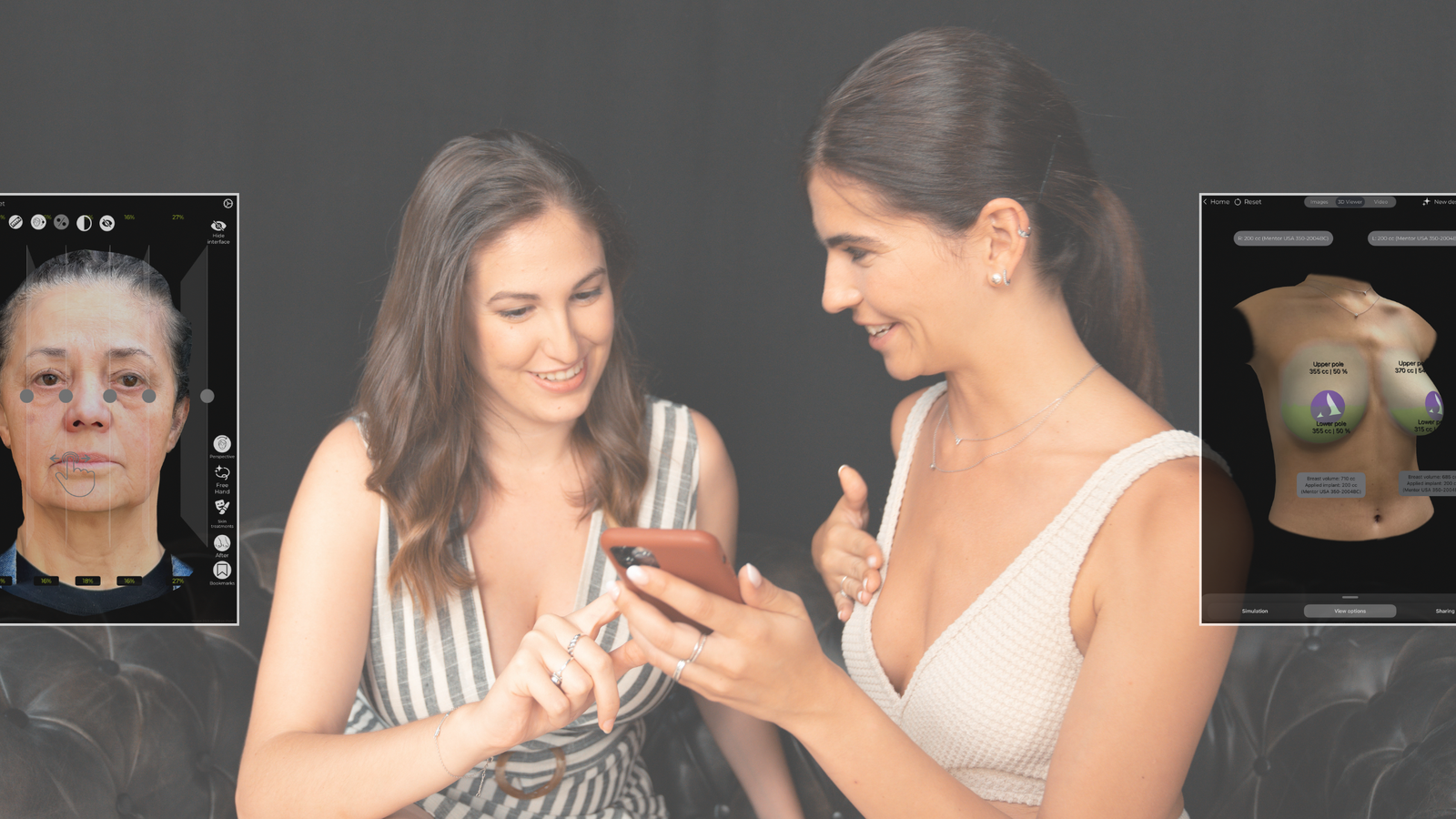
For years, the before-and-after photo was the backbone of aesthetic clinic marketing. Show the concern, show the result, let the image speak for itself. It was straightforward, credible, and effective.
But that model is no longer enough on its own.
Today’s patients are exposed to an endless stream of polished, personalized, and visually optimized content. In that environment, a traditional clinical before-and-after image often limited by lighting, angles, quality, and consent restrictions no longer captures attention the way it once did. At the same time, clinics face growing pressure from stricter privacy expectations, rising advertising competition, and a patient journey that now starts long before the consultation room. What patients want is no longer just proof that a procedure worked for someone else. They want help imagining what it could look like for them.
That is why AI-powered, real-time 3D simulation is becoming the new standard.
The clinics winning attention in 2026 understand a simple shift: the most powerful visual is not someone else’s result, but a personalized 3D simulation of the patient’s own potential outcome. This changes visual content from static proof into an interactive, decision-making tool. As our CEO puts it:
This is exactly where Arbrea has been leading for years. Across more than 60 countries, Arbrea has equipped doctors with real-time 3D simulation technology that allows them to visualize aesthetic outcomes instantly, directly during the consultation. With the Suíte Arbrea covering face, body, and breast surgeons can simulate realistic results on the patient’s own image, transforming abstract discussions into clear, shared understanding. And this matters not only from a communication standpoint, but from a trust standpoint too: when patients can better visualize potential outcomes, conversations become more transparent, expectations become more aligned, and decisions become more confident.
There is also growing validation around this shift. The value of visualization in aesthetic medicine is not just intuitive marketing logic; it reflects a deeper change in how patients process information, build confidence, and make treatment decisions. In a market where trust, clarity, and personalization increasingly shape conversion, tools like these are no longer a nice addition. They are becoming a competitive necessity.
But it does not stop at the clinic door.
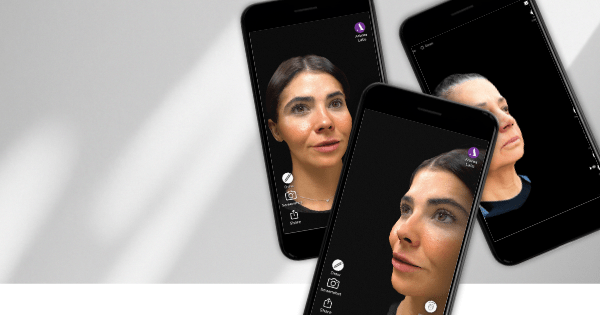
Com Lindapp, patients can simulate themselves from home using their own clinic’s code on their own time, in their own space, and without pressure. That means the consultation starts earlier, with a patient who is already more informed, more engaged, and more emotionally prepared. By the time they walk into the clinic, they are not starting from zero. They arrive with clearer intent, better questions, and a stronger sense of what they want.
And most important we are not stopping here.
Something big is coming and when it does, it will push this conversation even further. Stay put.





 EN
EN  PT
PT  IT
IT  ES
ES  DE
DE