
Uma consulta tem uma janela. Ela se abre quando o paciente se senta e começa a se fechar no momento em que a incerteza toma conta. A maioria dos cirurgiões percebe isso: a mudança na linguagem corporal, as perguntas que começam a se repetir, a pausa antes do “Vou pensar sobre isso”. O que é menos compreendido é exatamente quando essa janela se fecha e o que a mantém aberta.
Não se trata de uma questão de persuasão. Os pacientes que saem sem marcar não estão convencidos pelo cirurgião. Eles não estão convencidos de sua própria capacidade de imaginar o resultado. Essa distinção é importante, pois a solução não é uma técnica de vendas melhor. É um caminho mais rápido para a certeza.
Os consultórios que registram as maiores taxas de conversão de consultas não são os que têm os cirurgiões mais experientes ou os preços mais baixos. São aqueles que eliminam a incerteza logo no início da consulta.
Apoiado por: Kurola et al., “Three-dimensional Simulation on Patient-reported Outcomes Following Oncoplastic and Reconstructive Surgery of the Breast”, PRS Global Open, maio de 2024.
Onde as consultas perdem o ímpeto
A estrutura de uma consulta estética típica segue um padrão reconhecível. O cirurgião analisa as preocupações do paciente, discute o procedimento, explica o resultado esperado e responde a perguntas. É um processo minucioso. Também é quase totalmente verbal.
O problema com a explicação verbal é que ela coloca toda a carga cognitiva sobre o paciente. Ele precisa pegar o que o cirurgião está descrevendo, um resultado que ainda não existe, em um corpo que ele vê de forma diferente de qualquer outra pessoa e construir uma imagem mental precisa o suficiente para tomar uma decisão permanente. A maioria não consegue fazer isso. Não porque lhes falte inteligência, mas porque isso é algo extraordinariamente difícil de se pedir a qualquer pessoa.
É nesse ponto que as consultas são interrompidas. Não na discussão do preço. Não na explicação do risco. No momento em que o paciente tenta imaginar o resultado e não consegue manter a imagem com confiança suficiente para se comprometer com ela.
Incerteza não é o mesmo que dúvida
Há uma distinção importante entre um paciente que duvida do cirurgião e um paciente que não tem certeza do resultado. A dúvida tem a ver com confiança. A incerteza tem a ver com informações. Um paciente pode ter total confiança em seu cirurgião e, ainda assim, sair sem marcar a cirurgia porque não consegue ver claramente com o que está concordando.
Essa distinção muda a abordagem. Se o problema fosse a dúvida, a solução seria o relacionamento, as credenciais e os depoimentos. Mas se o problema for a incerteza e as evidências sugerirem que sim, então a solução é visual. Dê ao paciente algo concreto para olhar, algo construído a partir de sua própria anatomia, e a decisão se torna substancialmente mais fácil de ser tomada.
A questão é a rapidez com que esse visual está disponível na consulta e o quanto ele reflete a realidade cirúrgica.
O que os dados mostram
Os dados clínicos dos estudos publicados pela Arbrea mostram uma taxa de conversão cirúrgica de aproximadamente 87%. Em testes formais, a seleção de implantes projetada pela simulação correspondeu à decisão cirúrgica final em 98% das vezes. A validação clínica independente, publicada no Aesthetic Surgery Journal Open Forum, confirma ainda mais a precisão da simulação 3D da Arbrea em ambientes de consulta.
Esses dois números estão conectados. O valor de precisão do 98% não é apenas uma medida da precisão do planejamento, mas é o motivo pelo qual a taxa de conversão é mantida. Quando um paciente vê uma simulação que reflete o que a cirurgia realmente produzirá, sua decisão é fundamentada na realidade. Ele não está dizendo sim a um cenário de melhor caso. Ele está dizendo sim a um plano verificado.
Nas consultas virtuais, em que o cirurgião e o paciente não estão na mesma sala, as ferramentas da Arbrea produziram taxas de conversão comparáveis às das consultas presenciais. A visualização eliminou a desvantagem da distância.
Fonte: Arbrea Labs, “Novas evidências clínicas confirmam: Arbrea alcança precisão cirúrgica de 100% e altas taxas de conversão em consultas virtuais,” Cirurgia Plástica e Reconstrutiva - Global Open, novembro de 2025.
A visualização das ferramentas de AR, 3D e IA da Arbrea gera um resultado em menos de 90 segundos a partir do início do processo. Isso ocorre nos primeiros minutos de uma consulta, antes que a incerteza tenha tido tempo de se compor, antes que o paciente tenha começado a ensaiar mentalmente os motivos para esperar.
O custo de uma consulta que termina sem uma reserva
Uma consulta que não é convertida não é um resultado neutro. Ela acarreta um custo direto que a maioria dos consultórios não calcula explicitamente.
O tempo do cirurgião é o número mais visível. Uma consulta de 45 minutos que termina sem agendamento representa 45 minutos que não puderam ser alocados em um procedimento ou em um paciente em conversão. O tempo na sala, a preparação administrativa e quaisquer imagens ou medições pré-consulta se somam a esse número. A comunicação de acompanhamento, e-mails, ligações e perguntas adicionais geralmente dobram o investimento de tempo antes que o paciente faça a reserva em outro lugar ou pare de responder.
O custo menos visível é o que o paciente faz depois de sair. Ele continua pesquisando. Ele encontra outras clínicas. Eles marcam uma segunda consulta em outro lugar, geralmente em uma clínica que tem uma ferramenta visual mais forte, e tomam sua decisão lá. O primeiro cirurgião fez o trabalho de criar confiança e segurança clínica. Um concorrente capturou a reserva.
A consulta que termina com “Vou pensar sobre isso” raramente se converte mais tarde. Dados de observações clínicas em vários locais indicam que os pacientes que saem sem marcar consulta após uma consulta com suporte de visualização têm uma probabilidade significativamente maior de retornar do que aqueles que saem após uma consulta apenas verbal.
Fonte: Observações clínicas em vários locais da Arbrea Labs, Dados completos disponíveis em arbrea-labs.com
O que os primeiros cinco minutos devem fazer
A abertura de uma consulta deve fazer uma coisa acima de tudo: estabelecer como será o resultado para esse paciente específico. Não como são os resultados em geral para esse procedimento. Não os resultados que outros pacientes obtiveram. O que esse paciente, com essa anatomia, pode esperar desse cirurgião.
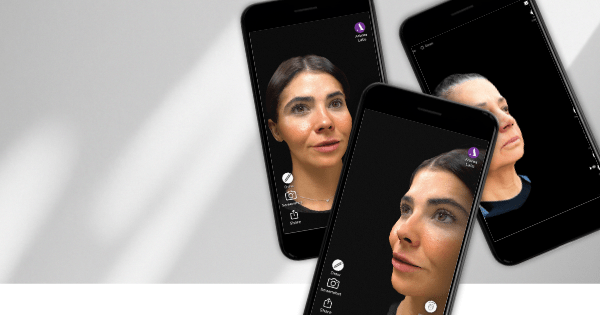
Isso requer uma ferramenta que opere a partir de parâmetros específicos do paciente, não de fotografias editadas, nem de simulações genéricas, nem de desenhos em uma imagem impressa. A simulação de AR, 3D e IA da Arbrea é construída a partir das medidas físicas do próprio paciente. A visualização em AR coloca o resultado projetado no corpo do paciente em tempo real, visível de vários ângulos, no iPad que o cirurgião já está segurando.
Quando isso acontece nos primeiros cinco minutos, o restante da consulta muda. As perguntas se tornam mais específicas. A conversa muda de “como ficarei” para “qual tamanho, qual colocação, qual recuperação”. Essas são as perguntas de um paciente que já decidiu. O fechamento não é uma etapa separada, ele decorre naturalmente de uma consulta em que a incerteza foi removida com antecedência suficiente para que a dúvida nunca tivesse espaço para se formar.
LEITURA RELACIONADA
Por que os pacientes não temem a cirurgia, mas temem a incerteza
”Para mim, a simulação em 3D não é apenas uma ferramenta visual. É uma maneira de melhorar a comunicação, alinhar as expectativas e ajudar os pacientes a compreenderem verdadeiramente os possíveis resultados de seus procedimentos.
Dr. Carlos Cutini





 EN
EN  PT
PT  IT
IT  ES
ES  DE
DE