
Eine Konsultation hat ein Zeitfenster. Es öffnet sich, wenn der Patient sich hinsetzt, und schließt sich in dem Moment, in dem die Unsicherheit überhand nimmt. Die meisten Chirurgen spüren das: die Veränderung der Körpersprache, die sich wiederholenden Fragen, die Pause vor dem “Ich werde darüber nachdenken”. Weniger bekannt ist jedoch, wann genau sich dieses Fenster schließt und was es offen hält.
Dies ist keine Frage der Überredung. Patienten, die ohne Anmeldung gehen, sind nicht von ihrem Chirurgen nicht überzeugt. Sie sind nicht von ihrer eigenen Fähigkeit überzeugt, sich das Ergebnis vorzustellen. Diese Unterscheidung ist wichtig, denn die Lösung besteht nicht in einer besseren Verkaufstechnik. Sie ist ein schnellerer Weg zur Gewissheit.
Die Praxen mit den höchsten Konversionsraten sind nicht diejenigen, die die erfahrensten Chirurgen oder die niedrigsten Preise haben. Es sind diejenigen, die die Ungewissheit am frühesten während des Termins beseitigen.
Unterstützt durch: Kurola et al., “Three-dimensional Simulation on Patient-reported Outcomes Following Oncoplastic and Reconstructive Surgery of the Breast”, PRS Global Open, Mai 2024.
Wo Konsultationen an Schwung verlieren
Die Struktur einer typischen ästhetischen Beratung folgt einem erkennbaren Muster. Der Chirurg geht auf die Bedenken des Patienten ein, bespricht das Verfahren, erklärt das erwartete Ergebnis und beantwortet Fragen. Das Gespräch ist gründlich. Sie erfolgt auch fast ausschließlich mündlich.
Das Problem bei verbalen Erklärungen ist, dass sie die gesamte kognitive Last auf den Patienten abwälzen. Er muss das, was der Chirurg beschreibt, ein Ergebnis, das es noch nicht gibt, an einem Körper, den er anders sieht als jeder andere, nehmen und ein mentales Bild konstruieren, das genau genug ist, um eine dauerhafte Entscheidung zu treffen. Die meisten können das nicht. Nicht, weil es ihnen an Intelligenz mangelt, sondern weil es eine außerordentlich schwierige Aufgabe ist, dies von jemandem zu verlangen.
Hier stocken die Beratungen. Nicht bei der Preisdiskussion. Nicht bei der Risikoaufklärung. In dem Moment, in dem der Patient versucht, sich das Ergebnis vorzustellen, kann er das Bild nicht mit genügend Vertrauen festhalten, um sich darauf einzulassen.
Ungewissheit ist nicht dasselbe wie Zweifel
Es gibt einen wichtigen Unterschied zwischen einem Patienten, der am Chirurgen zweifelt, und einem Patienten, der sich über das Ergebnis unsicher ist. Bei Zweifeln geht es um Vertrauen. Bei Ungewissheit geht es um Informationen. Ein Patient kann volles Vertrauen in seinen Chirurgen haben und dennoch ohne Reservierung gehen, weil er nicht klar erkennen kann, wozu er sich bereit erklärt.
Diese Unterscheidung verändert den Ansatz. Wäre das Problem der Zweifel, würde die Lösung in Beziehungen, Referenzen und Zeugnissen bestehen. Wenn das Problem jedoch Unsicherheit ist und die Beweise dafür sprechen, dann ist die Lösung visuell. Geben Sie dem Patienten etwas Konkretes zum Anschauen, etwas, das aus seiner eigenen Anatomie aufgebaut ist, und die Entscheidung wird wesentlich einfacher.
Die Frage ist, wie schnell dieses Bild in der Konsultation verfügbar ist und wie genau es die chirurgische Realität widerspiegelt.
Was die Daten zeigen
Klinische Daten aus den von Arbrea veröffentlichten Studien zeigen eine chirurgische Konversionsrate von etwa 87%. In formalen Studien stimmte die von der Simulation prognostizierte Implantatauswahl in 98% der Fälle mit der endgültigen chirurgischen Entscheidung überein. Eine unabhängige klinische Validierung, die im Aesthetic Surgery Journal Open Forum veröffentlicht wurde, bestätigt die Genauigkeit der 3D-Simulation von Arbrea in Beratungssituationen zusätzlich.
Diese beiden Zahlen sind miteinander verbunden. Die 98%-Genauigkeitszahl ist nicht nur ein Maß für die Planungspräzision, sondern auch der Grund für die Einhaltung der Konversionsrate. Wenn ein Patient eine Simulation sieht, die widerspiegelt, was die Operation tatsächlich bringen wird, ist seine Entscheidung realitätsnah. Er sagt nicht Ja zu einem Best-Case-Szenario. Sie sagen Ja zu einem verifizierten Plan.
Bei virtuellen Konsultationen, bei denen sich Chirurg und Patient nicht im selben Raum befinden, erzielten die Tools von Arbrea vergleichbare Konversionsraten wie bei persönlichen Terminen. Die Visualisierung beseitigte den Nachteil der Entfernung.
Quelle: Arbrea Labs, “Neue klinische Beweise bestätigen: Arbrea erreicht eine chirurgische Genauigkeit von 100% und hohe Konversionsraten bei virtuellen Konsultationen,” Plastische & Rekonstruktive Chirurgie - Global Open, November 2025.
Mit den AR-, 3D- und KI-Tools von Arbrea wird in weniger als 90 Sekunden nach Beginn des Prozesses eine Vorschau auf das Ergebnis erstellt. Das heißt, innerhalb der ersten Minuten einer Konsultation, bevor sich die Unsicherheiten verfestigt haben und bevor der Patient gedanklich die Gründe für seine Wartezeit geprobt hat.
Die Kosten für eine Beratung, die ohne Buchung endet
Eine Beratung, die nicht umgestellt wird, ist kein neutrales Ergebnis. Sie verursacht direkte Kosten, die von den meisten Praxen nicht explizit berechnet werden.
Die Zeit des Chirurgen ist die sichtbarste Zahl. Eine 45-minütige Konsultation, die ohne eine Buchung endet, bedeutet 45 Minuten, die nicht für ein Verfahren oder einen umsteigenden Patienten verwendet werden konnten. Die Zeit für den Raum, die administrative Vorbereitung und die Bildgebung oder Messungen vor der Konsultation kommen noch hinzu. Folgekommunikation, E-Mails, Anrufe, zusätzliche Fragen verdoppeln oft den Zeitaufwand, bevor der Patient entweder woanders bucht oder nicht mehr antwortet.
Die weniger sichtbaren Kosten sind das, was der Patient nach dem Verlassen der Praxis tut. Sie recherchieren weiter. Sie finden andere Kliniken. Sie buchen eine zweite Konsultation woanders, oft bei einer Praxis, die über ein besseres visuelles Instrument verfügt, und treffen dort ihre Entscheidung. Der erste Chirurg hat die Arbeit des Vertrauensaufbaus und des klinischen Vertrauens geleistet. Ein Mitbewerber hat die Buchung übernommen.
Die Beratung, die mit “Ich werde darüber nachdenken” endet, führt selten zu einer späteren Bekehrung. Daten aus klinischen Beobachtungen an mehreren Standorten zeigen, dass Patienten, die nach einer visualisierungsgestützten Beratung ohne Reservierung gehen, mit deutlich höherer Wahrscheinlichkeit wiederkommen als solche, die nach einer rein verbalen Beratung gehen.
Quelle: Arbrea Labs: Klinische Beobachtungen an mehreren Standorten, Vollständige Daten verfügbar unter arbrea-labs.com
Was die ersten fünf Minuten bewirken sollten
Die Eröffnung eines Beratungsgesprächs sollte vor allem eines tun: feststellen, wie das Ergebnis für diesen speziellen Patienten aussehen wird. Nicht, wie die Ergebnisse bei diesem Verfahren im Allgemeinen aussehen. Nicht, welche Ergebnisse andere Patienten erzielt haben. Was dieser Patient, mit dieser Anatomie, von diesem Chirurgen erwarten kann.
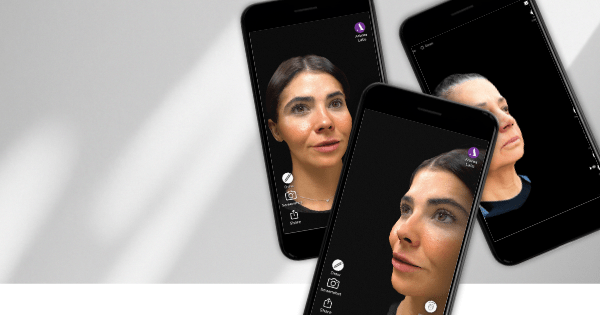
Das erfordert ein Werkzeug, das mit patientenspezifischen Parametern arbeitet, nicht mit bearbeiteten Fotos, nicht mit generischen Simulationen, nicht mit Zeichnungen auf einem gedruckten Bild. Die AR-, 3D- und KI-Simulation von Arbrea baut auf den eigenen Körpermaßen des Patienten auf. Die AR-Vorschau platziert das projizierte Ergebnis in Echtzeit auf dem Körper des Patienten, sichtbar aus mehreren Blickwinkeln, auf dem iPad, das der Chirurg bereits in der Hand hält.
Wenn dies in den ersten fünf Minuten geschieht, ändert sich der Rest des Gesprächs. Die Fragen werden spezifischer. Das Gespräch verlagert sich von “wie werde ich aussehen” zu “welche Größe, welche Platzierung, welche Heilung”. Das sind die Fragen eines Patienten, der sich bereits entschieden hat. Der Abschluss ist kein separater Schritt, sondern folgt auf natürliche Weise aus einem Beratungsgespräch, in dem die Unsicherheit früh genug beseitigt wurde, so dass Zweifel keinen Raum mehr hatten, sich zu bilden.
ZUGEHÖRIGE LEKTÜRE
Warum Patienten keine Angst vor Operationen, aber Angst vor Ungewissheit haben
”Für mich ist die 3D-Simulation nicht nur ein visuelles Hilfsmittel, sondern eine Möglichkeit, die Kommunikation zu verbessern, die Erwartungen abzustimmen und den Patienten zu helfen, die möglichen Ergebnisse ihres Eingriffs wirklich zu verstehen.
Dr. Carlos Cutini






 EN
EN  PT
PT  IT
IT  ES
ES  DE
DE